
Commercial Tenant Improvements in Kansas City: What Business Owners Need to Know Before Construction Begins
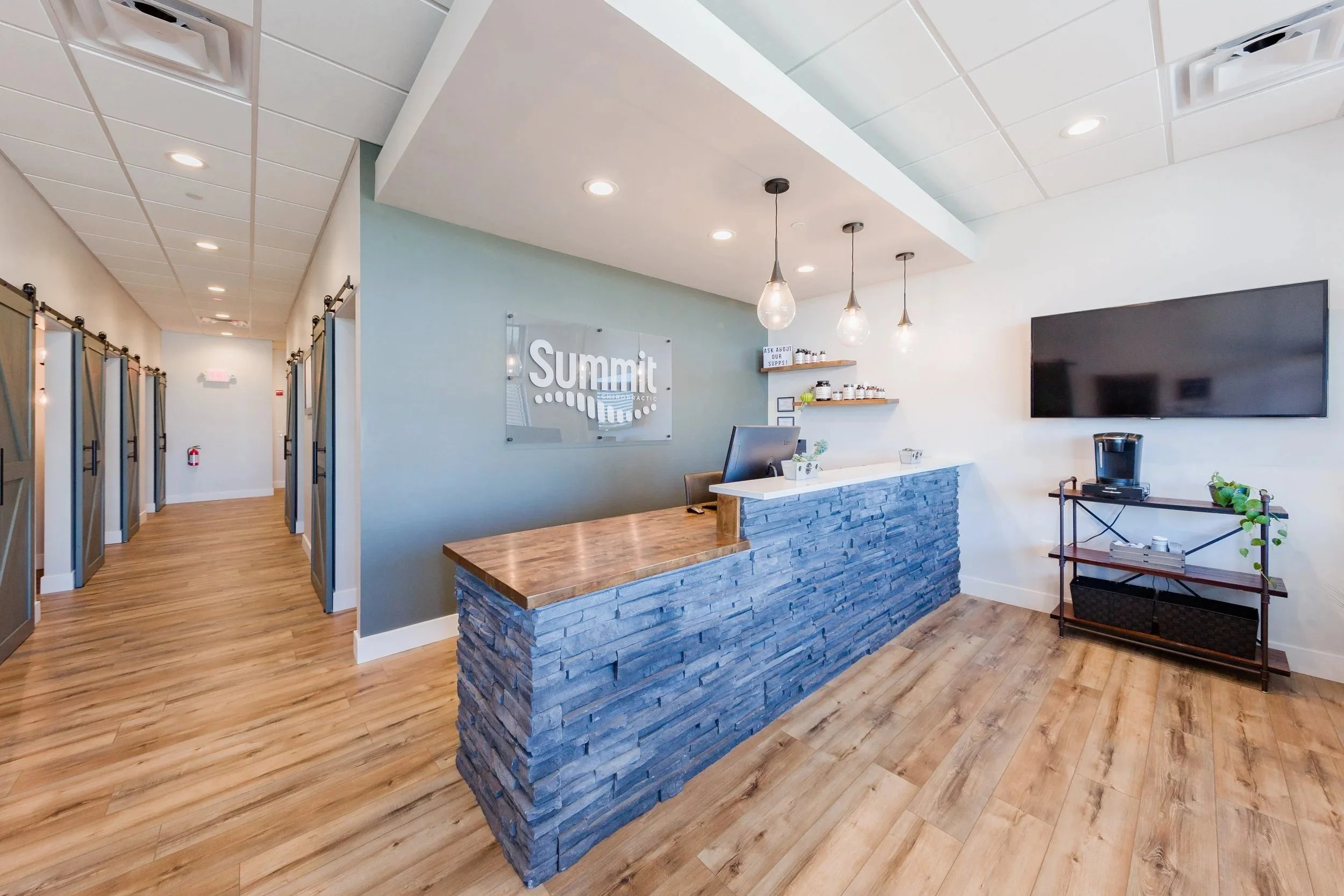
A commercial renovation is about far more than making a space look better. Whether you're opening a new office, transforming a retail location, renovating a restaurant, or preparing a medical or professional space, the decisions made before construction begins can determine whether the project runs smoothly - or becomes an expensive series of surprises.
Successful commercial tenant improvements require the budget, design, permitting, building systems, landlord requirements, and schedule to work together. The earlier those pieces are coordinated, the more control an owner has over the outcome.
What Is a Commercial Tenant Improvement?
A tenant improvement - often called a TI or commercial build-out - is the construction or renovation required to adapt an existing commercial space for a new or evolving business.
That can mean turning a white-box space into a finished office, renovating a restaurant for a new concept, reconfiguring a medical office, or modernizing an outdated commercial interior. Depending on the project, the work may include demolition and framing, HVAC, electrical and plumbing modifications, ADA and code compliance, restrooms, ceilings, flooring, millwork, lighting, permitting, inspections, and coordination with landlords, architects, and engineers.
The finishes matter, but they're only one piece of a successful commercial project.
Start With the Building, Not the Finishes
One of the most expensive mistakes a business owner can make is falling in love with a space before understanding what it will take to make that space work.
Before finalizing a lease or committing to a design, look beyond the square footage and location. Can the electrical service support the intended use? Is the HVAC adequate? Will additional plumbing be required? Are there accessibility concerns? Will the new use trigger fire, life-safety, or other code requirements?
A space that looks like a bargain can become a very different investment once those conditions are uncovered. Bringing an experienced commercial general contractor into the conversation early can help identify issues before they become costly surprises.
Build the Budget While You Build the Design
Commercial construction budgets should develop alongside the design - not after it.
A beautiful set of drawings doesn't help an owner if the completed design exceeds the available construction budget. During preconstruction, the owner, contractor, architect, designer, and engineers should be discussing cost while decisions are still being made.
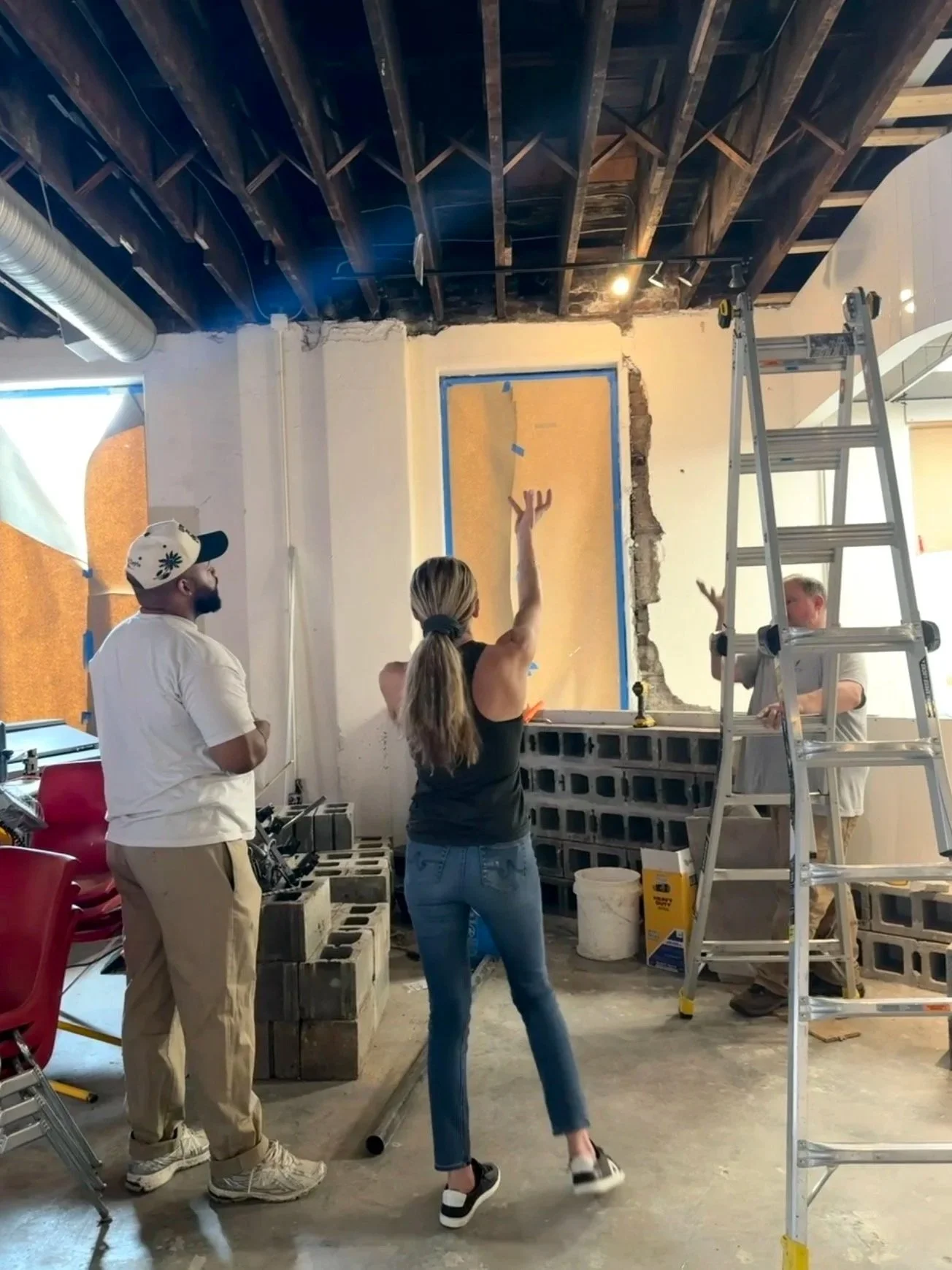
That creates an opportunity to evaluate alternatives early, protect the priorities that matter most, and establish a realistic contingency for existing conditions. In commercial renovation, opening walls and ceilings can reveal things no set of drawings can fully predict.
Your Schedule Starts Before Demolition
If you have a target opening date, your construction schedule shouldn't begin with demolition.
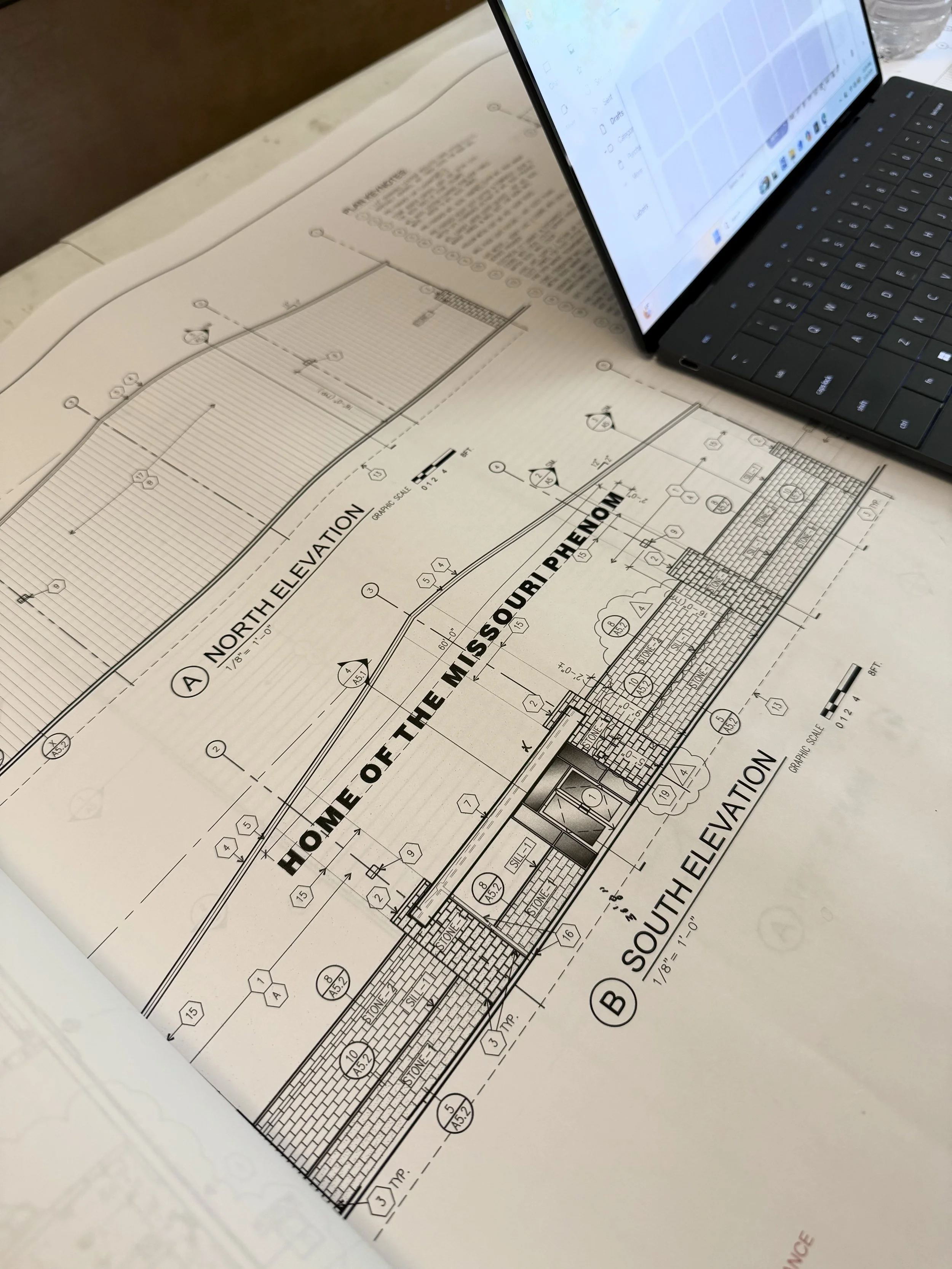
Permitting, architectural and engineering drawings, landlord approvals, utility coordination, long-lead materials, inspections, and selections can all affect when construction can start - and when the doors can open.
For a business, delays can mean more than inconvenience. They can mean additional rent, postponed revenue, staffing complications, or a missed opening date. A strong commercial construction team works backward from the desired completion date and identifies critical decisions early.
Design and Construction Should Work Together
This is where a design-build approach can be especially valuable.
Commercial spaces have to do more than look good. They need to function operationally, meet code, support employees and customers, withstand daily use, and make financial sense.
At Amanda Lee Interiors, our background in both design and construction allows us to look at a project through both lenses. We're considering the experience of the finished space while also asking practical questions: How will it be built? What will it cost? How will the materials perform? What does the schedule require?
Good commercial design isn't decoration added at the end. It's part of the construction strategy from the beginning.
When Does an Owner's Representative Make Sense?
Not every commercial owner has the time - or wants the responsibility - to manage architects, contractors, engineers,
budgets, schedules, and dozens of project decisions.
An Owner's Representative acts on behalf of the owner, helping coordinate the project team, monitor budgets and
schedules, review key decisions, and keep the owner's priorities at the center of the process.
Owner's Rep services can be especially valuable for developers, investors, busy business owners, multi-location
companies, or anyone undertaking a larger or more complex project. The goal isn't to add another layer. It's to create accountability, clarity, and informed decision-making.
What About Ground-Up Commercial Construction?
Tenant improvements aren't the only commercial projects that benefit from early planning. With ground-up commercial construction, pre-construction becomes even more critical. Site development, utilities, civil engineering, structural systems, permitting, financing, and long-lead materials all need to be coordinated before vertical construction begins.
Whether you're improving an existing space or developing a building from the ground up, the principle is the same: decisions made early have an outsized impact on cost, schedule, and execution.
Choosing the Right Commercial Construction Partner
The right commercial contractor isn't simply the company that provides the lowest initial number.
Look for a team that understands preconstruction, communicates clearly, asks difficult questions early, manages documentation, understands design intent, and treats your schedule and budget as seriously as you do.
At Amanda Lee Interiors, we approach commercial construction with thoughtful planning, transparent communication, strong project management, and attention to detail from concept through completion.
Because whether you're investing in a luxury residence or a commercial property, construction is about more than creating a beautiful space. It's about protecting the investment behind it.
