
Design-Build vs. Traditional Construction: Which Project Delivery Method Is Right for You?
Planning a luxury home renovation or commercial construction project is exciting—but before selecting finishes, reviewing floor plans, or breaking ground, there's one decision that will influence nearly every aspect of your project: choosing the right project delivery method.
Understanding the difference between design-build and traditional construction can impact your budget, timeline, communication, and overall experience. Whether you're remodeling a custom home, building out a commercial office, or renovating a retail space, selecting the right approach from the beginning can save time, reduce costly surprises, and create a far smoother construction process.
At Amanda Lee Interiors, we've guided clients through both residential and commercial projects, and we've seen firsthand how the right strategy leads to better outcomes. The most successful projects don't just begin with a great design—they begin with the right team.
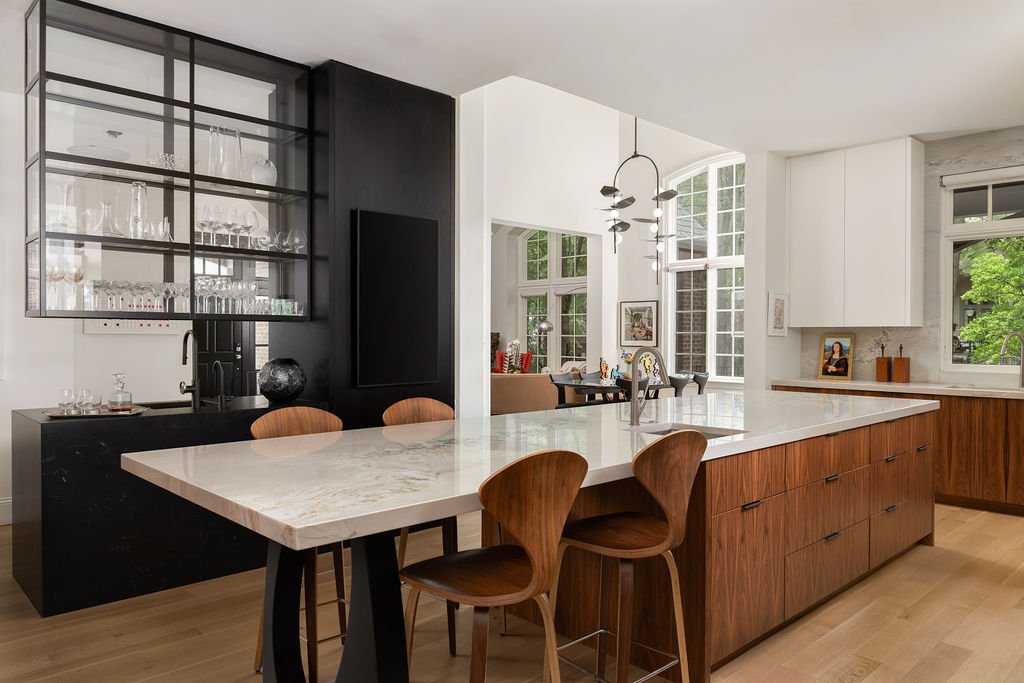
What Is Traditional Construction?
In a traditional construction model, the owner hires an architect or designer to create plans before requesting bids from general contractors. Once a contractor is selected, construction begins.
This process has been used successfully for decades, but it also requires the owner to coordinate communication between multiple professionals, each working under separate contracts.
If questions arise during construction—or changes become necessary—the process can become more complicated. Design revisions, budget adjustments, and scheduling decisions often involve several parties before a solution is reached.
For some projects, particularly those with fully developed architectural plans, traditional construction remains an excellent option. However, it requires a higher level of coordination and decision-making from the owner.
What Is Design-Build?
The design-build process brings design, budgeting, planning, and construction together under one team. Instead of working with separate companies, clients collaborate with a single team from the initial concept through project completion. Designers, estimators, and builders work together throughout the process, allowing decisions to be made with both creativity and practicality in mind.
Rather than designing first and pricing later, every design decision is evaluated against the project's goals, timeline, and investment from the very beginning. For many luxury residential and commercial clients, this collaborative approach creates a more efficient and predictable experience.
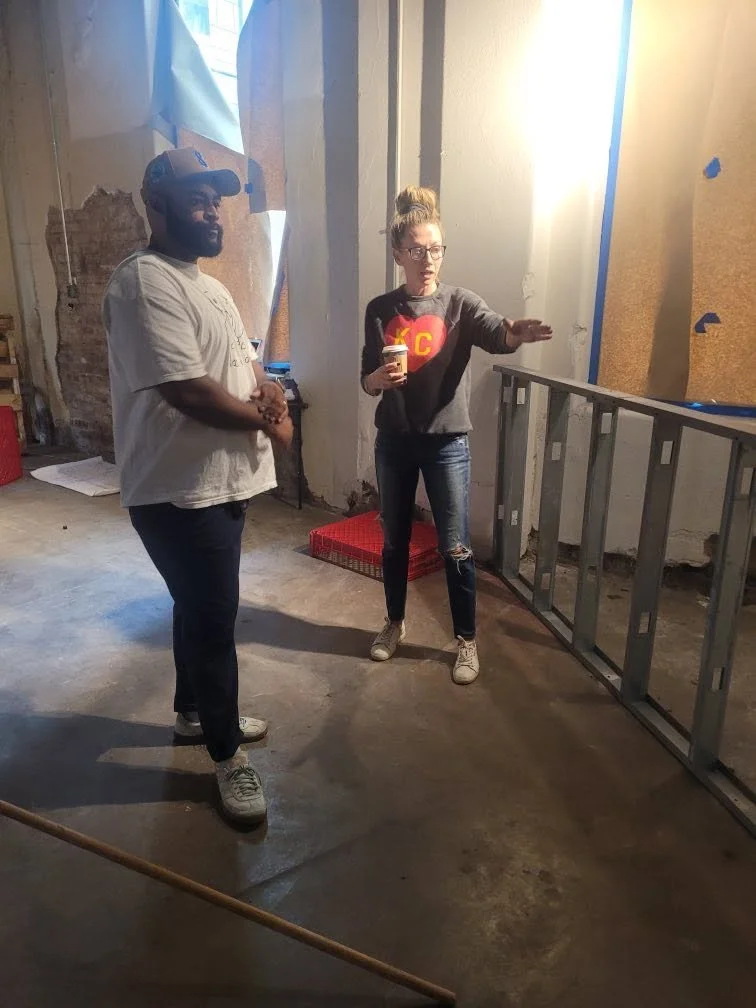
Why More Clients Are Choosing Design-Build
One of the greatest advantages of design-build is communication. With one dedicated team managing the project, information flows more efficiently, questions are answered faster, and decisions can be made without unnecessary delays.
Budget planning also becomes more proactive. We've seen projects where owners invested heavily in architectural drawings only to discover the final design exceeded their construction budget. By involving the builder during the design phase, many of those costly redesigns could have been avoided. The same principle applies to scheduling. Because estimating, planning, and material selections happen alongside design, projects often move more efficiently from concept to construction.
Residential and Commercial Projects Benefit Differently
For homeowners, design-build simplifies what can feel like an overwhelming process. Whether it's a luxury kitchen, spa-inspired bathroom, home addition, or whole-home renovation, having one experienced team manage every phase creates confidence and clarity.
Commercial projects bring their own challenges. Tenant improvements, office renovations, restaurants, retail spaces, and medical offices often involve permitting requirements, ADA compliance, mechanical coordination, occupancy deadlines, and multiple stakeholders.
A collaborative design-build team helps identify these challenges early, reducing disruptions and keeping projects moving forward.
Which Approach Is Right for You?
If you already have completed construction documents and simply need a qualified contractor to build your project, traditional construction may be the right fit.
However, if you're looking for a more collaborative experience with greater budget transparency, streamlined communication, and a single team guiding your project from concept to completion, design-build is often the better choice.
Neither method is universally better than the other. The right decision depends on your project's complexity, timeline, and goals.
Our Philosophy
At Amanda Lee Interiors, we believe exceptional construction begins long before the first wall is built. It begins with thoughtful planning, honest communication, and a commitment to protecting our clients' investment every step of the way.
Whether we're renovating a luxury residence, completing a commercial tenant improvement, or managing a complex renovation, our goal remains the same: deliver outstanding craftsmanship through a transparent, collaborative process that makes construction feel organized—not overwhelming.
Every successful project starts with the right foundation. Choosing the right project delivery method is the first step toward creating a space that is not only beautifully designed but expertly built.
